Sunday, 14 October 2018

Wednesday, 12 September 2018
Audience Feedback
Cover Pages
Pros:
Pros:
- Good colour scheme/theme
- The position of the models are nicely put
- Great recurring font and font size
Cons:
- Tweak on the positioning of the cover lines
- Change the styling of the magazine. Make it look more professional
Content Pages
Pros:
- Nice choice of pictures
- Interesting positions of the pictures
Cons:
- Change the position of some pictures
- Change the colour scheme/theme
- Change the styling of the magazine (columns). Make it look more professional
- Reposition the issue numbers of the accessories
Thursday, 6 September 2018
Task 6: Draft Statement of Intent
Brief chosen:
Two Magazines and a Website – Producing a front cover and one contents page for 2 of the new fashion magazine that has been brought up by Outburst and a website for the magazine
How do you intend to use the four areas of the media theoretical framework to communicate meaning and meet the requirements of your chosen brief? (approx. 400 words)
Product 1
I will use media language for my magazine front and cover pages to fascinate to the target demographics C1 and C2, and between the age range of 12-21-year-olds. This will reflect the urban culture that young women have embraced in London and the magazine will be distributed around the United Kingdom to establish this message. Youth’s fashion has changed dramatically over the past decade and that has impacted the culture of how young people are living. Therefore, Outburst adopts this change and implements it in their magazines. Both of the main cover images will be a mid-shot of two young female models, which follows the trend that is used by Vogue which is my style model for the magazine. The cover pages will include two black female teenagers and they will be the focal point of the magazine to represent the most recent changes to Vogue magazines; conveying in each edition the differentials in the race. My models will look directly at the audience for the target audience to understand that youth’s fashion has changed but most importantly, to give women power and authority. The cover lines will correlate with articles that are about fashion and beauty. Furthermore, each model will have their own cover line revealing their names and a title to their own article explaining their story on how they want to be a model. Both of my cover pages will include headlines about fashion, beauty, health, lifestyle, and news and having articles about youth and culture. This information will be applicable to the target audience group of reformers, succeeders and aspirers. The design and the layout of the magazines will be heavily inspired by Vogue. One content page will have 4 columns with articles relating to a heading with a fashion accessory in each column. On the other hand, the other contents page will have Outburst’s phrase at the top of the page, with a large image on the left side of the page and all the articles on the right. Accessories will be at the bottom of the page and all accessories have their individual issue number on both content pages, as well as the articles. Both content pages have a white background with a colour scheme that corresponds to their cover page for the text.
Product 2
As I am developing a website for the magazine, I will have to create a logo for the Outburst brand with its phrase that was featured in one of the content pages. The home page will have hyperlinks so that the user will click on the links that they want to go to. The links will lead to fashion, beauty, news, lifestyle and health, which is very similar to the headings of the content pages. At the top right-hand corner of the page will feature the social media profiles of the Outburst brands to the platforms Instagram, Facebook and Snapchat. This will perfectly distribute the magazine (as the target audience of 12-21-year-olds can gain access the internet easily) so it can be shared via the reader’s social media profile so that their friends will know the brand and this will start a rinse-and-repeat effect. Additionally, there will be a ‘contact us’ link on the home page so that the users of the website can give feedback to the brand. This makes the website more interactive in what the user expects from the website and what the reader expects from the magazine. If the user wishes to have monthly newsletters from the brand, they will have the ability to click on the ‘follow’ button so that the audience can type in their email address and it will be sent through their email. This process will be free, and it further promotes the magazine. The newsletter will feature the cover page for each monthly magazine edition as well as what to expect from the magazine. From there, the user can click on a hyperlink to the magazine on the website which they will have to pay for the magazine to further increase profits. Female celebrities will be on the news page and it will feature gossip from celebrities such as Rihanna, Nicki Minaj and Cardi B as well as articles on youth and culture which is the main address that the brand wants to portray. For example, Meghan Markle becoming The Duchess of Sussex after she married Prince Harry shows that there is a culture change as she is not British, she doesn’t come from a Royal background and she is black heritage. This means that the Royal family is not standing by their traditional standards, so this article will perfectly grab the attention of the audience. The visuals of the website will be designed to grab hold of the reader’s attention. There will be images of different models on the cover pages of the different magazine editions that will be showcased on the website which reveals cultural diversity in the capital city, London. I will use a mixture of three colours to use for the website; blue which connotes innocence and not being heard although a person has knowledge and wisdom, white which signifies purity of life and red portrays that people want to be heard of with force and passion. With all of these ideas, I will hopefully succeed in building a website for my audience which are 12-21 year olds with a C1 and C2 demographic.
How do you intend to link your media products to demonstrate your knowledge and understanding of the digitally convergent nature of your media production? (approx. 100 words)
Creating a brand highlights that a website is made to showcase the magazine. This makes both of the media products being made for the same audience. Some of the website’s features were implemented from the magazine such as the brand’s name and the phrase, headings (fashion, beauty, etc) and the cover pages being on the home page of the website. The website will have a massive impact on the magazine. As more users use the website they will get introduced to the magazine's editions and will make them pay for it. As more readers read the magazine, they will be introduced to the website on the contents page and which they will access and will persuade them to buy other magazine editions. This creates synergy between the magazine and the website to increase the profits of the brand.
Two Magazines and a Website – Producing a front cover and one contents page for 2 of the new fashion magazine that has been brought up by Outburst and a website for the magazine
How do you intend to use the four areas of the media theoretical framework to communicate meaning and meet the requirements of your chosen brief? (approx. 400 words)
Product 1
I will use media language for my magazine front and cover pages to fascinate to the target demographics C1 and C2, and between the age range of 12-21-year-olds. This will reflect the urban culture that young women have embraced in London and the magazine will be distributed around the United Kingdom to establish this message. Youth’s fashion has changed dramatically over the past decade and that has impacted the culture of how young people are living. Therefore, Outburst adopts this change and implements it in their magazines. Both of the main cover images will be a mid-shot of two young female models, which follows the trend that is used by Vogue which is my style model for the magazine. The cover pages will include two black female teenagers and they will be the focal point of the magazine to represent the most recent changes to Vogue magazines; conveying in each edition the differentials in the race. My models will look directly at the audience for the target audience to understand that youth’s fashion has changed but most importantly, to give women power and authority. The cover lines will correlate with articles that are about fashion and beauty. Furthermore, each model will have their own cover line revealing their names and a title to their own article explaining their story on how they want to be a model. Both of my cover pages will include headlines about fashion, beauty, health, lifestyle, and news and having articles about youth and culture. This information will be applicable to the target audience group of reformers, succeeders and aspirers. The design and the layout of the magazines will be heavily inspired by Vogue. One content page will have 4 columns with articles relating to a heading with a fashion accessory in each column. On the other hand, the other contents page will have Outburst’s phrase at the top of the page, with a large image on the left side of the page and all the articles on the right. Accessories will be at the bottom of the page and all accessories have their individual issue number on both content pages, as well as the articles. Both content pages have a white background with a colour scheme that corresponds to their cover page for the text.
Product 2
As I am developing a website for the magazine, I will have to create a logo for the Outburst brand with its phrase that was featured in one of the content pages. The home page will have hyperlinks so that the user will click on the links that they want to go to. The links will lead to fashion, beauty, news, lifestyle and health, which is very similar to the headings of the content pages. At the top right-hand corner of the page will feature the social media profiles of the Outburst brands to the platforms Instagram, Facebook and Snapchat. This will perfectly distribute the magazine (as the target audience of 12-21-year-olds can gain access the internet easily) so it can be shared via the reader’s social media profile so that their friends will know the brand and this will start a rinse-and-repeat effect. Additionally, there will be a ‘contact us’ link on the home page so that the users of the website can give feedback to the brand. This makes the website more interactive in what the user expects from the website and what the reader expects from the magazine. If the user wishes to have monthly newsletters from the brand, they will have the ability to click on the ‘follow’ button so that the audience can type in their email address and it will be sent through their email. This process will be free, and it further promotes the magazine. The newsletter will feature the cover page for each monthly magazine edition as well as what to expect from the magazine. From there, the user can click on a hyperlink to the magazine on the website which they will have to pay for the magazine to further increase profits. Female celebrities will be on the news page and it will feature gossip from celebrities such as Rihanna, Nicki Minaj and Cardi B as well as articles on youth and culture which is the main address that the brand wants to portray. For example, Meghan Markle becoming The Duchess of Sussex after she married Prince Harry shows that there is a culture change as she is not British, she doesn’t come from a Royal background and she is black heritage. This means that the Royal family is not standing by their traditional standards, so this article will perfectly grab the attention of the audience. The visuals of the website will be designed to grab hold of the reader’s attention. There will be images of different models on the cover pages of the different magazine editions that will be showcased on the website which reveals cultural diversity in the capital city, London. I will use a mixture of three colours to use for the website; blue which connotes innocence and not being heard although a person has knowledge and wisdom, white which signifies purity of life and red portrays that people want to be heard of with force and passion. With all of these ideas, I will hopefully succeed in building a website for my audience which are 12-21 year olds with a C1 and C2 demographic.
How do you intend to link your media products to demonstrate your knowledge and understanding of the digitally convergent nature of your media production? (approx. 100 words)
Creating a brand highlights that a website is made to showcase the magazine. This makes both of the media products being made for the same audience. Some of the website’s features were implemented from the magazine such as the brand’s name and the phrase, headings (fashion, beauty, etc) and the cover pages being on the home page of the website. The website will have a massive impact on the magazine. As more users use the website they will get introduced to the magazine's editions and will make them pay for it. As more readers read the magazine, they will be introduced to the website on the contents page and which they will access and will persuade them to buy other magazine editions. This creates synergy between the magazine and the website to increase the profits of the brand.
Friday, 22 June 2018
Task 3: Planning
 Front Cover
 Contents Page
 Front Cover
 Contents Page
 Inspiration
Flatplan
1st Magazine Contents Page


2nd Magazine Contents Page


Location
Photography Studio

Example of Street Location

Call Sheet

Monday, 30 April 2018


Sunday, 22 April 2018
Tuesday, 27 March 2018
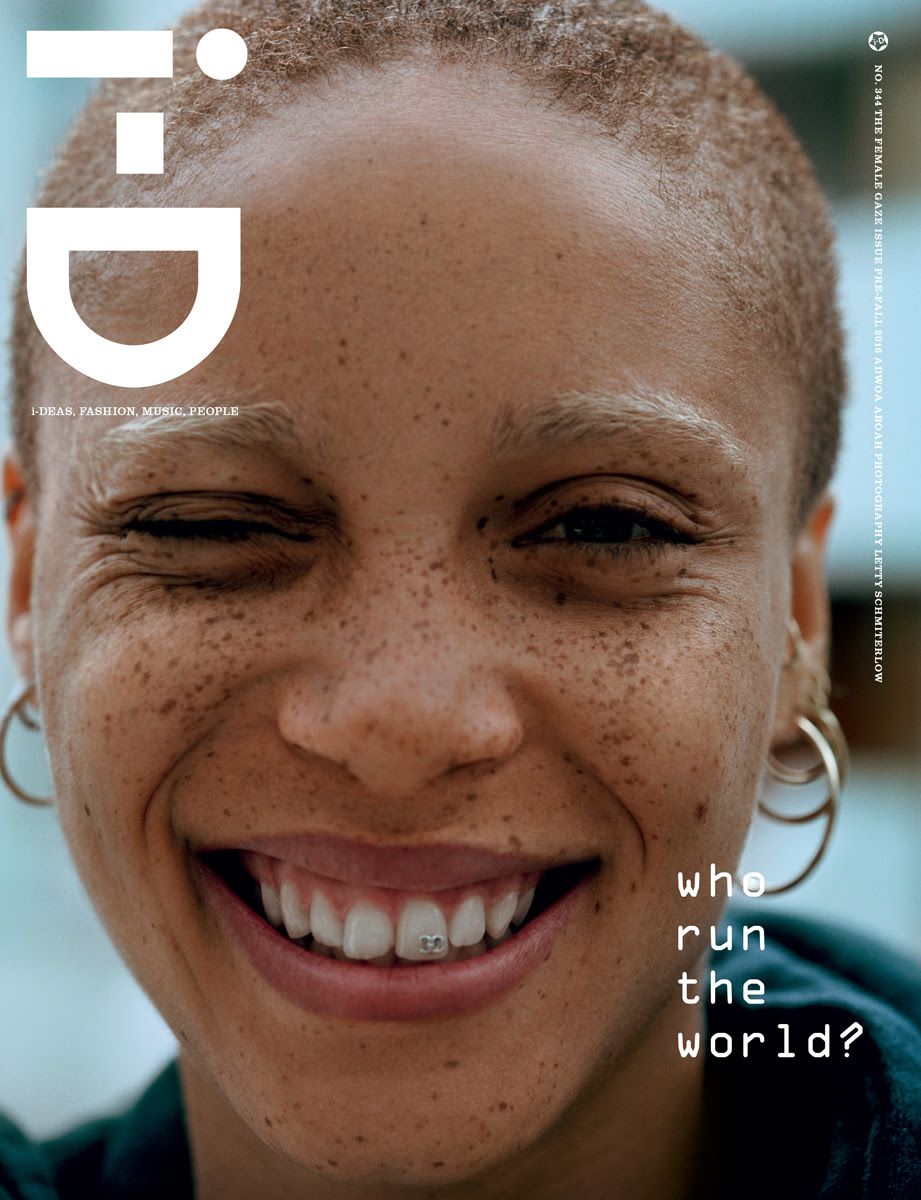
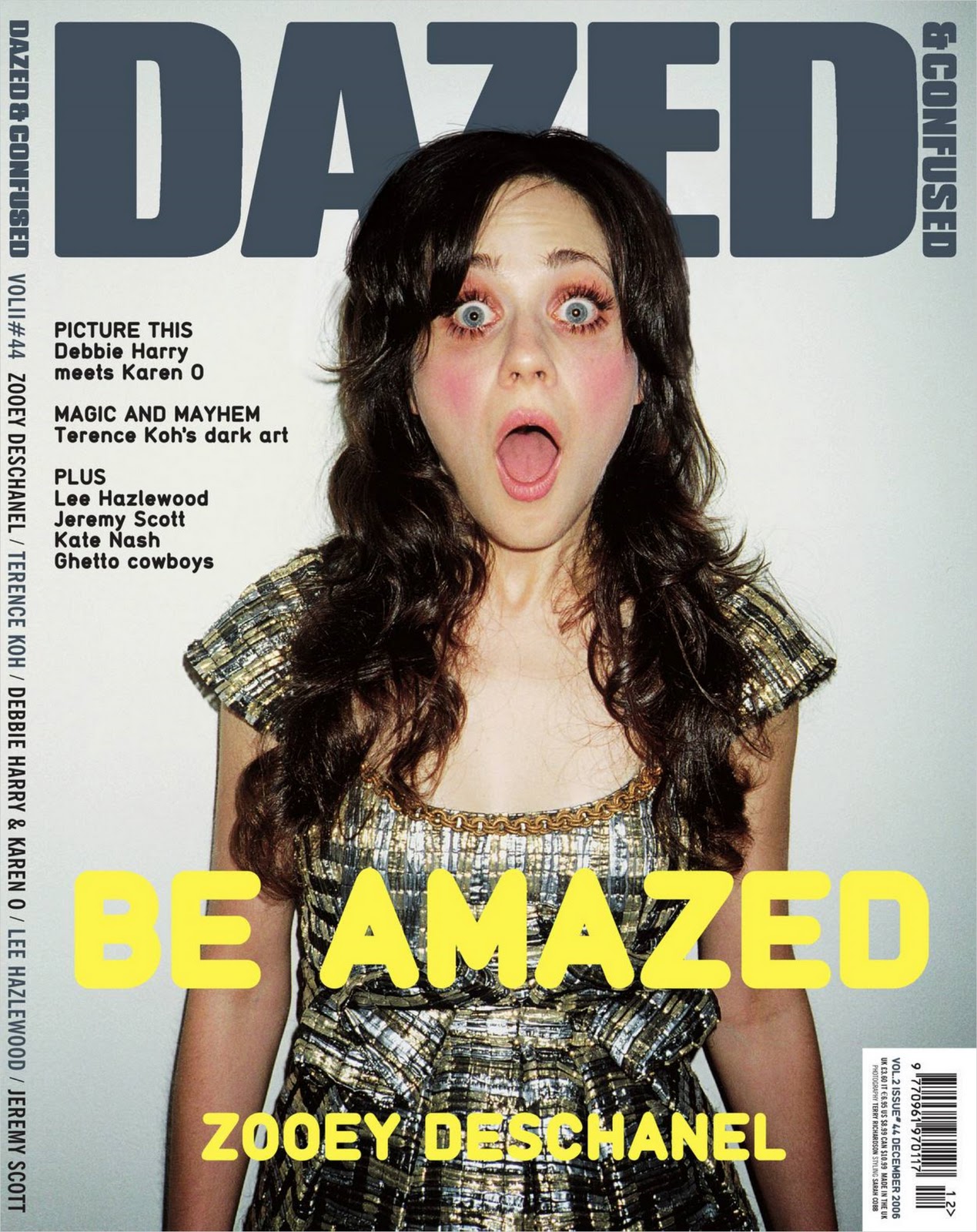
Fashion Magazines
|
|
Traditional ”High Fashion” mags – Vogue, Harper’s Bazaar
|
Edgy/alternative fashion mags: i-D, Dazed
|
|
Conventions
|
Masthead – Vertical, on top of head
Coverlines
White Slim women
Young women
3 colour scheme
MS/MCU
|
Masthead – vertical/horizontal
Behind head
Coverlines – only one for young women
Muted colour
No make-up/styling
Serif Typography – modern, edgy
|
|
Representations
|
White, young, blonde
|
Mid shot
Mix race, non-white
Dull – like/gothic
Not sexualised – direct address
|
|
Audience
|
Older audience
Direct address
|
Diverse
Younger?
Direct address
|
Monday, 12 March 2018
Test Plan
How do audiences interact and get actively involved with video games? What is the role of specialised audiences, including fans, to gaming? Refer to Minecraft to support your answer
Henry Jenkins created a few terms to explain how audiences interact with video games. Firstly, he has created the term “Media Convergence”, which means the flow of content across multiple media platforms, the cooperation between multiple media industries, and the migratory behaviour of media audiences who will go almost anywhere in search of the kinds of entertainment experiences they want. This leads to Textual Poaching which means the fans “poach” textual meanings and reread them in a fashion that serves different interests. An example of this is DanTDM; he "poaches" content from Minecraft and he makes it into his own content so that his fans stay interested and he uploads it to the platform of Youtube. He is an example of the term Fandom, which refers to the social structures and cultural practices created by the most passionately engaged consumers of mass media properties.
In effects theory, the media are powerful, negative forces who control the masses. The media is seen as a hypodermic needle, injecting out helpless minds with messages which we take on board fully. This originated from a new notorious study carried out by bandura in 1961. Bandura's study used a toy called a "bobo doll", and it measured behaviours of children who watched a model beating up the doll. The model was either rewarded or punished, and Bandura noted that children would replicate the violent behaviour when it was rewarded.
Cohen in 1972 published a book "Folk Devils and Moral Panics". Moral panics happen when members of a society and culture become outraged, fearful and upset by the challenges and menaces posed to 'their' accepted values and was of life, by the activities of groups defines as deviant. These could be violent extremists, teenagers or an organisation/idea such as the internet, violent games or social media.
Explain the impact of evolving technology on film production, distribution, and exhibition. Refer to Snow White and the Seven Dwarfs and Black Panther.
Technology has massively impacted the production, distribution and exhibition of Black Panther compared to Snow White and the Seven Dwarfs.
As Disney, the distributor of Black Panther, is a conglomerate that owns soo many subsidiaries to give them profit, the film got a whopping 200 million dollers to produce the film. This means that the director, Ryan Coogler, has enough money to pay the actor’s salaries, production staff salaries, set construction, special effects, wardrobe, craft services, marketing and buying the rights to the script. On the other hand, Disney wasn't a conglomerate back then and Walt Disney only has 1.4 million dollars to produce the film which is incredibly less than Black Panther.
Henry Jenkins created a few terms to explain how audiences interact with video games. Firstly, he has created the term “Media Convergence”, which means the flow of content across multiple media platforms, the cooperation between multiple media industries, and the migratory behaviour of media audiences who will go almost anywhere in search of the kinds of entertainment experiences they want. This leads to Textual Poaching which means the fans “poach” textual meanings and reread them in a fashion that serves different interests. An example of this is DanTDM; he "poaches" content from Minecraft and he makes it into his own content so that his fans stay interested and he uploads it to the platform of Youtube. He is an example of the term Fandom, which refers to the social structures and cultural practices created by the most passionately engaged consumers of mass media properties.
In effects theory, the media are powerful, negative forces who control the masses. The media is seen as a hypodermic needle, injecting out helpless minds with messages which we take on board fully. This originated from a new notorious study carried out by bandura in 1961. Bandura's study used a toy called a "bobo doll", and it measured behaviours of children who watched a model beating up the doll. The model was either rewarded or punished, and Bandura noted that children would replicate the violent behaviour when it was rewarded.
Cohen in 1972 published a book "Folk Devils and Moral Panics". Moral panics happen when members of a society and culture become outraged, fearful and upset by the challenges and menaces posed to 'their' accepted values and was of life, by the activities of groups defines as deviant. These could be violent extremists, teenagers or an organisation/idea such as the internet, violent games or social media.
Explain the impact of evolving technology on film production, distribution, and exhibition. Refer to Snow White and the Seven Dwarfs and Black Panther.
Technology has massively impacted the production, distribution and exhibition of Black Panther compared to Snow White and the Seven Dwarfs.
As Disney, the distributor of Black Panther, is a conglomerate that owns soo many subsidiaries to give them profit, the film got a whopping 200 million dollers to produce the film. This means that the director, Ryan Coogler, has enough money to pay the actor’s salaries, production staff salaries, set construction, special effects, wardrobe, craft services, marketing and buying the rights to the script. On the other hand, Disney wasn't a conglomerate back then and Walt Disney only has 1.4 million dollars to produce the film which is incredibly less than Black Panther.
Marvel Studios has a wide range of platforms using technology to promote their film. They have made 3 trailers and have released them on YouTube as well as Facebook, Twitter, Instagram and they have created an advertisement on Snapchat. The official trailer has had 18 million views, 7.2 million views on Facebook and 103 posts and 203 thousand followers on Instagram. The trailers have also been shown on big television companies (ITV for example) in the UK. Whereas, for Snow White, technology wasn't advanced as it is today so they are restricted to make promotional posters and advertise them outside cinemas and on billboards so that the audience can walk past it and spread it through word of mouth.
Marvel has managed to get a partnership with the car manufacturer Lexus. Both brands can promote each other to increase their sales and their profit. Lexus has used the characters from the Black Panther film to advertise the performance and the luxury of the car. In addition, the film takes this opportunity to show off its characters as well as what the audience can expect from it like action and adventure. Nevertheless, cars didn't have any technological advantages in the 1930s, therefore, in cinemas, Snow White merchandise is being sold. This includes masks, mugs, shirts, caps, bags, dolls etcetera. This is the only source of income for the film but Black Panther gets incredibly more because they have a share of the sales of every Lexus car as well as selling Black Panther merchandise.
It's because of technology that Black Panther has done well in terms of its production, distribution and exhibition, however, technology was only starting to develop in the 1930s, therefore, Snow White has lost a lot of profit.
Henry Jenkins’ Theory of ‘Fandom’
Henry Jenkins’ Theory of ‘Fandom’
Henry Jenkins is an influential media theorist who has made the book named Textual Poachers in 1992. It describes how communities in online and digital media combine numerous different media sources and channels in both approved and unapproved ways. He has created terms modern media theorists still use today. Firstly, he has created the term “Media Convergence”, which means the flow of content across multiple media platforms, the cooperation between multiple media industries, and the migratory behaviour of media audiences who will go almost anywhere in search of the kinds of entertainment experiences they want. This then leads to Textual Poaching which is when the fans carried out such creative cultural activities as rethinking personal identity issues such as gender and sexuality; writing stories to shift focus onto a media "storyworld's" secondary characters; producing content to expand of the timelines of a storyworld; or filling in missing scenes in the storyworld's official narratives order to better satisfy the fan community. An example of this is Star Trek; the fans “poach” textual meanings and reread them in a fashion that serves different interests. He has also made Participatory Culture which refers more broadly to any kind of cultural production which starts at the grassroots level and which is open to broad participation and Fandom which refers to the social structures and cultural practices created by the most passionately engaged consumers of mass media properties.
Over the last 50 years, technology has advanced dramatically, meaning that gaming platforms have originated from arcade machines in stores to consoles at people’s homes. This has allowed some game developers to create games that are able to connect players from multiple gaming platforms and play with each other seamlessly. The second best-selling game with 144 million sales, Minecraft made by Markus Persson now owned by Microsoft is the first game to introduce the term “Cross-Platform Gaming”. Everybody in the gaming community thought it was impossible to accomplish but it was successful. Minecraft was now encouraged other game developers to allow their games to support cross-platform play. Now there is a total of 132 games that support this feature which allows players to play their games and their games will last for a longer duration. Synergy meaning the way in which an element of a media conglomerate or different companies works together to promote linked products allows different gaming platforms to converge their games.
With more games being produced, some gamers will not like the gameplay or how the game performs. Therefore, they use modifications (“mods”) to alter any game into their own version. This only happens to cheap games or games that have little or no security. Game “Modders” are from Participatory Cultures that originated roughly from the post-2000 and when Web 2.0 was introduced. This is because they are creative people who produce new games of their own and they collaborate to solve the problems which force them to change the aspect of the game. This then generates what Jenkins describes as “Collective Intelligence” which is when media causes a buzz in consumer communities which are of increasing value to media producers.
Media 2.0 was also introduced shortly after Web 2.0 and it starts with a platform that enables the community to create a digital identity which gives them the ability to connect and share with one another. After this, they create content which is user-generated but the community managers look to differentiate their content with others within the community.
Monday, 5 March 2018
Fandom - Henry Jenkins 05/03/18
Henry Jenkins
- Henry Jenkins is an influential Media theorist, who is interested in Media in the online world, or Media 2.0. Since the emergence of the internet as a participatory, interactive medium, there has been a great deal of writing about how this has transformed audiences, institutions and the nature of media products. Jenkins looks at many areas, but for this topic, his 1992 1992 book Textual Poachers: Television Fans and Participatory Culture is particularly important.
Textual Poachers
- Jenkins' research in Textual Poachers showed how fans construct their own culture by appropriating and remixing—"poaching"—content from mass culture. Through this "poaching", the fans carried out such creative cultural activities as rethinking personal identity issues such as gender and sexuality; writing stories to shift focus onto a media "storyworld's" secondary characters; producing content to expand of the timelines of a storyworld; or filling in missing scenes in the storyworld's official narratives order to better satisfy the fan community.
Jenkins' (Inter)active Audience Approach
- Jenkins belongs to a group of Media thinkers who are highly optimistic about the Media. They view the Media, and Web 2.0 as empowering to the audience, breaking down traditional boundaries of class and status. The audience is interactive and powerful. They can participate and create their own narratives, questioning messages and generating their own ideas.
- Jenkins, Shirky and others clearly contrast with the more traditional media effects theory models, which see the media as powerful and the audience as passive.
Participatory Culture
- Jenkins noted that the development of “new” Media (roughly post 2000) has accelerated “participatory culture”, in which audiences are active and creative participants rather than passive consumers. They create online communities, produce new creative forms, collaborate to solve problems, and shape the flow of media. This generates what Jenkins describes as “collective intelligence.”
Three Key Terms From Jenkins
- Fandom refers to the social structures and cultural practices created by the most passionately engaged consumers of mass media properties
- Participatory culture refers more broadly to any kind of cultural production which starts at the grassroots level and which is open to broad participation
- Web 2.0 is a business model that sustains many web-based projects that rely on principles such as user-creation and moderation, social networking, and "crowdsourcing."
Henry Jenkins' Theory Homework
Media Convergence Definition
- By convergence, he means the flow of content across multiple media platforms, the cooperation between multiple media industries, and the migratory behaviour of media audiences who will go almost anywhere in search of the kinds of entertainment experiences they want.
- Convergence is a word that manages to describe technological, industrial, cultural, and social changes depending on who’s speaking and what they think they are talking about.
Checking 'Audiences'
- Jenkins makes the argument that convergence is less about a technological process and more about a cultural shift as consumers are encouraged to seek out new information and make connections amongst dispersed media content.
- The audience itself has become labelled as ‘eyeballs.’
Participatory Cultures
- A change whereby rather than media producers and consumers occupying separate roles, they now interact with each other ‘according to a new set of rules,’ which nobody as yet fully understands.
- Some consumers have a greater ability to ‘participate’ in this emerging culture than others.
- A term first coined by French cybertheorist Pierre Levy
- Media causes a buzz in consumer communities which are of increasing value to media producers.
- Subsequently, consumption has become a collective process by which we pool our resources and combine our skills.
Tuesday, 27 February 2018
Subscribe to:
Posts (Atom)